
Explore Research
Current research at the intersection of regenerative medicine, plant biology, and space environments.
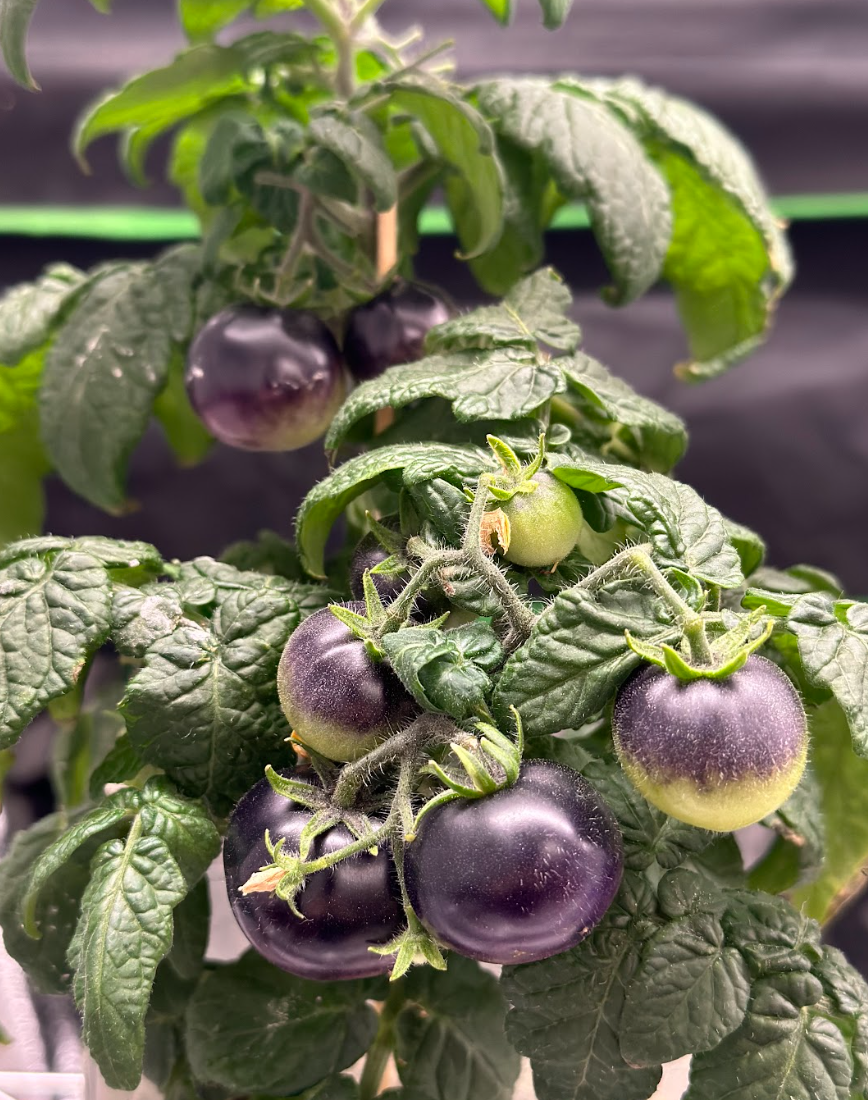
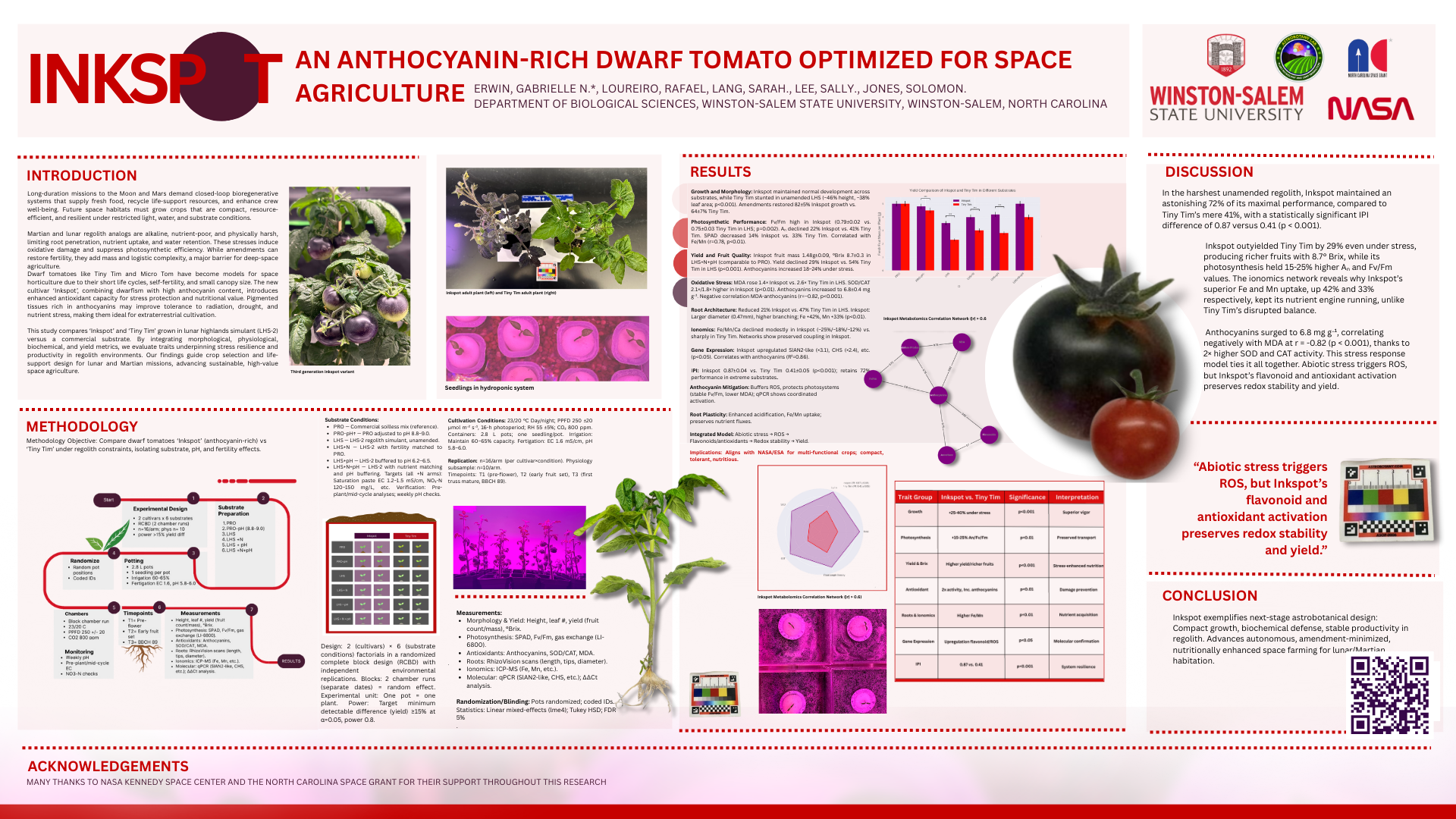
Inkspot: A stress-resilient dwarf tomato variant for off-world cultivation
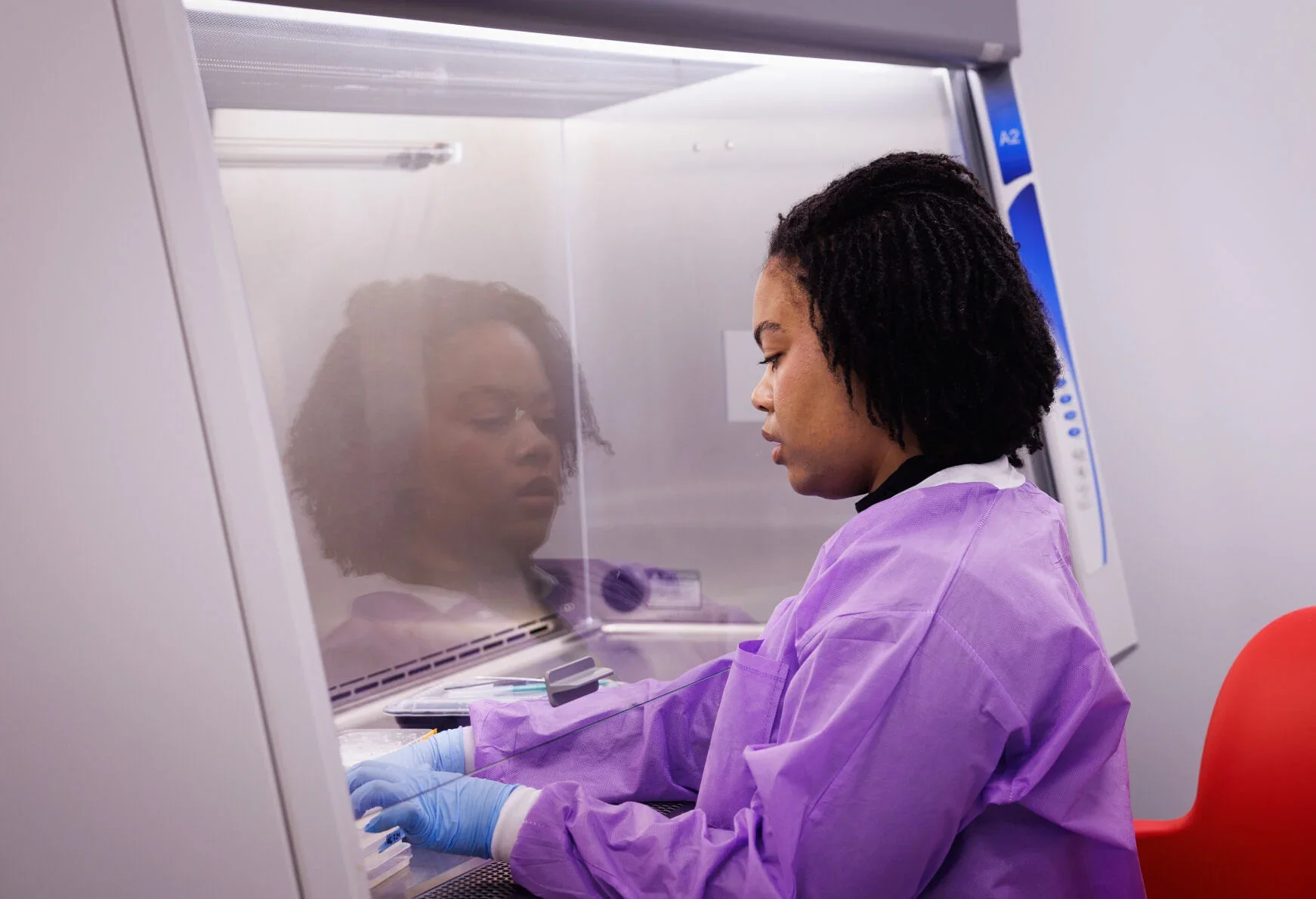
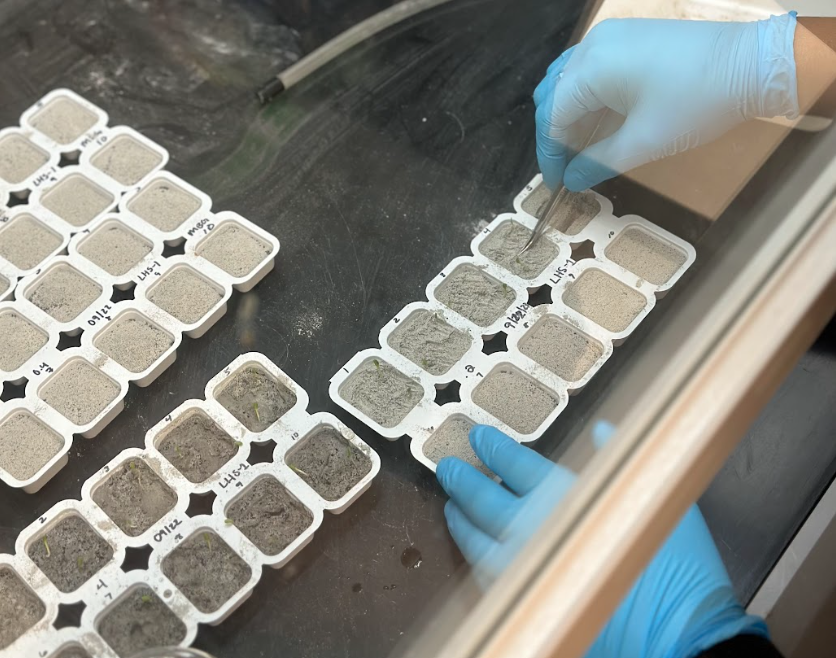
LHS-1 Lunar Regolith Analog Assessment
Gabrielle investigates how plants and biomaterials respond to extreme environments, with applications in regenerative medicine and long-duration spaceflight. Her work examines molecular signaling, directed evolution, and tissue-engineered systems that aim to not only better understand, but also support human health beyond Earth.
Simulated lunar regolith (LHS) is prepared for assessment
POSTERS
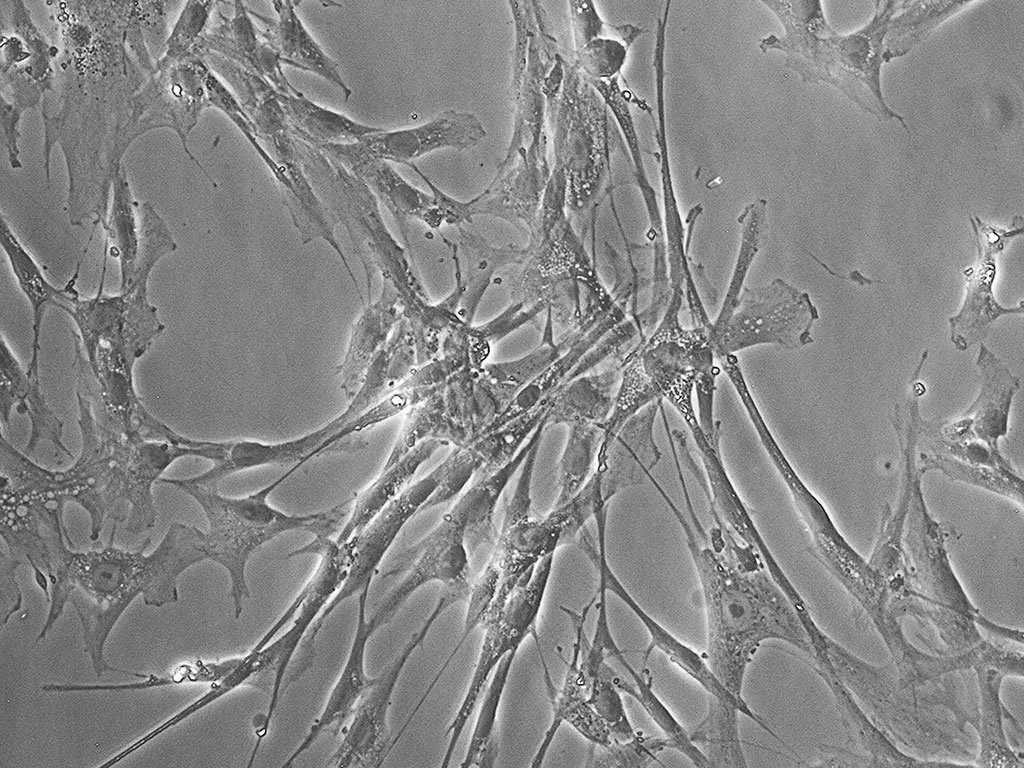
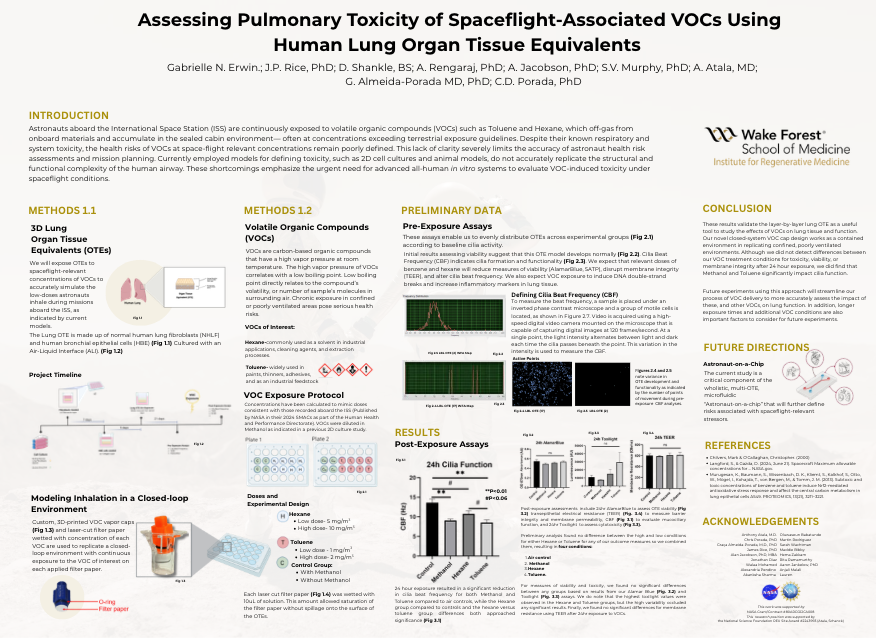
Assessing Pulmonary Toxicity of Space-flight Associated VOCs Using Lung Organ Tissue Equivalents
Featured Projects
-
Studying dwarf tomato cultivars grown in analog regolith to identify traits that enhance nutrient uptake, stress tolerance, and productivity under extraterrestrial constraints.
Goal: Develop plant lines suitable for sustained off-world agriculture
Methods: RCBD experiments, pH/fertility manipulation, physiological assays
Collaboration: Astrobotany Lab, Winston-Salem State University
-
Exploring organoid and organ-on-a-chip models to understand how microgravity, space radiation, and space-related volatile organic compounds influence tissue repair and behavior.
Aim: Understand the impact of spaceflight-relevant stressors on astronaut health and inform regenerative strategies for astronauts and extreme-medicine applications on Earth.
Methods: Organoid culture, TEER, fluorescent microscopy, biomaterial scaffolds
Collaboration: Porada Lab, Wake Forest Institute for Regenerative Medicine
-
New Shepard (NS-31) Seedling Flight Preparation and analysis of crop plant seedlings flown aboard Blue Origin’s NS-31, assessing early growth responses to microgravity and radiation in suborbital flight.
Collaboration: Brazil’s EMBRAPA, Astrobotany Lab WSSU